
Mrs Hemingway
Spoilers ahead, I guess

Last week, I read Naomi Wood’s novel Mrs HEMINGWAY, a fictionalised account of Ernest Hemingway’s four wives: Hadley Richardson, Pauline “Fife” Pfeiffer, Martha Gellhorn, and Mary Welsh. Based on real letters and telegrams, the novel tells the story of the various love triangles of Hemingway’s four marriages. It is a convincing account of what it could be like to love, and be loved by Ernest Hemingway, and overall a great show of how to fictionalise someone as self-mythologizing as Hemingway.
In the novel, Hemingway is portrayed as someone who cannot be alone, who loves the stability of marriage. "A feat," his third wife Martha Gellhorn says in the novel, "to want to marry every woman he fucks.” The author does a great job of putting forth the absurdity of Hemingway’s compulsion to marry his mistresses and letting little to no time go by before jumping into a new marriage.
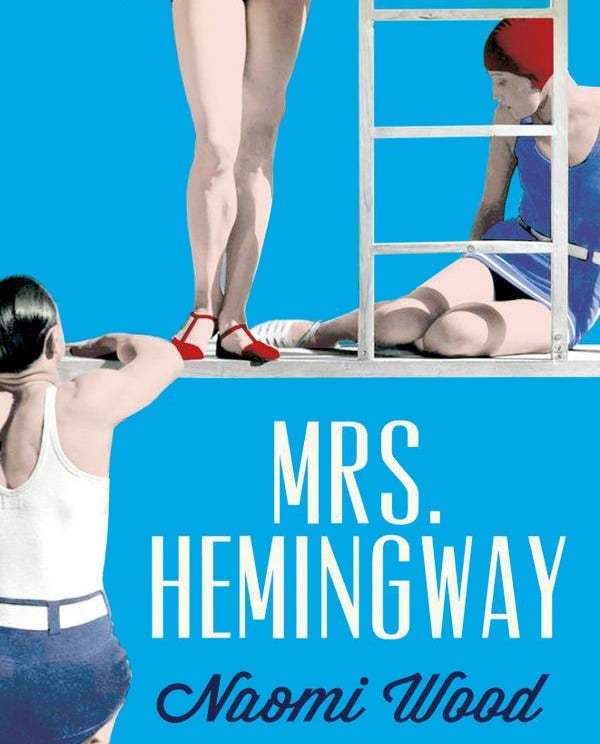
I found it particularly interesting reading about how each wife thinks she may be the exception to Hemingway’s pattern. In marrying Hemingway, each woman believes she can be enough for Hemingway, provide the right amount of comfort and excitement; each believes she is immune to his ways. Readers going into Mrs HEMINGWAY will most likely be aware of Hemingway’s struggles with depression and alcoholism, his progressive mental decline and tragic suicide. I found myself unsettled by my own anticipation of his mental decline. Still, the novel makes little allusion to it, until the last section. Still, by the end of the novel I found there was not much evidence or explanation throughout the narrative of his suffering, and what led him to the fate he so feared - the Hemingway curse. Of course, the book is not so much about him as much as it is about the women in his life, their relationship to him, and to each other.
I really loved the many ways in which Naomi Wood sets up the reader in the context of Hemingway’s life and the politico-social changes that span the novel, by making the reader travel, meet real characters and travel artistic circles. The novel takes the reader from Paris, to Antibes, Key West, Cuba, and London to name a few. And the cameos are so special and fun if you are interested in the Lost Generation. The Fitzgeralds are messy and their fate looms throughout the book. Zelda Fitzgerald cannot stand Hemingway, and may be the only woman immune to his charm! Still, the Murphys remain my favourite cameo in the novel! Sara and Gerald Murphy were the chic intellectual expatriate couple that inspired Fitzgerald’s Tender is the Night. The Murphys moved to Paris in 1921, and then settled in Antibes. They were the ultimate tastemakers of the time, befriending writers and artists. In fact, they were the ones to first bring Picasso and his Russian ballerina wife, Olga, to the French Riviera. Fitzgerald actually credits the Murphys for making the French Riviera a summer destination (it had only been chic to go there in the winter, duh!). Or as Fitzgerald put it, going to the French Riviera in the summer was “something like going to Palm Beach for July.” Further highlighting their influence, Sara and Gerald’s daughter’s name is Honoria, which you may remember, is the same name as the daughter in Fitzgerald’s short story Babylon Revisited! Their influence on the artists of the Lost Generation cannot be understated. I read their biography last summer (Everybody Was So Young: A Lost Generation Love Story by Amanda Vaill) which I also highly recommend!
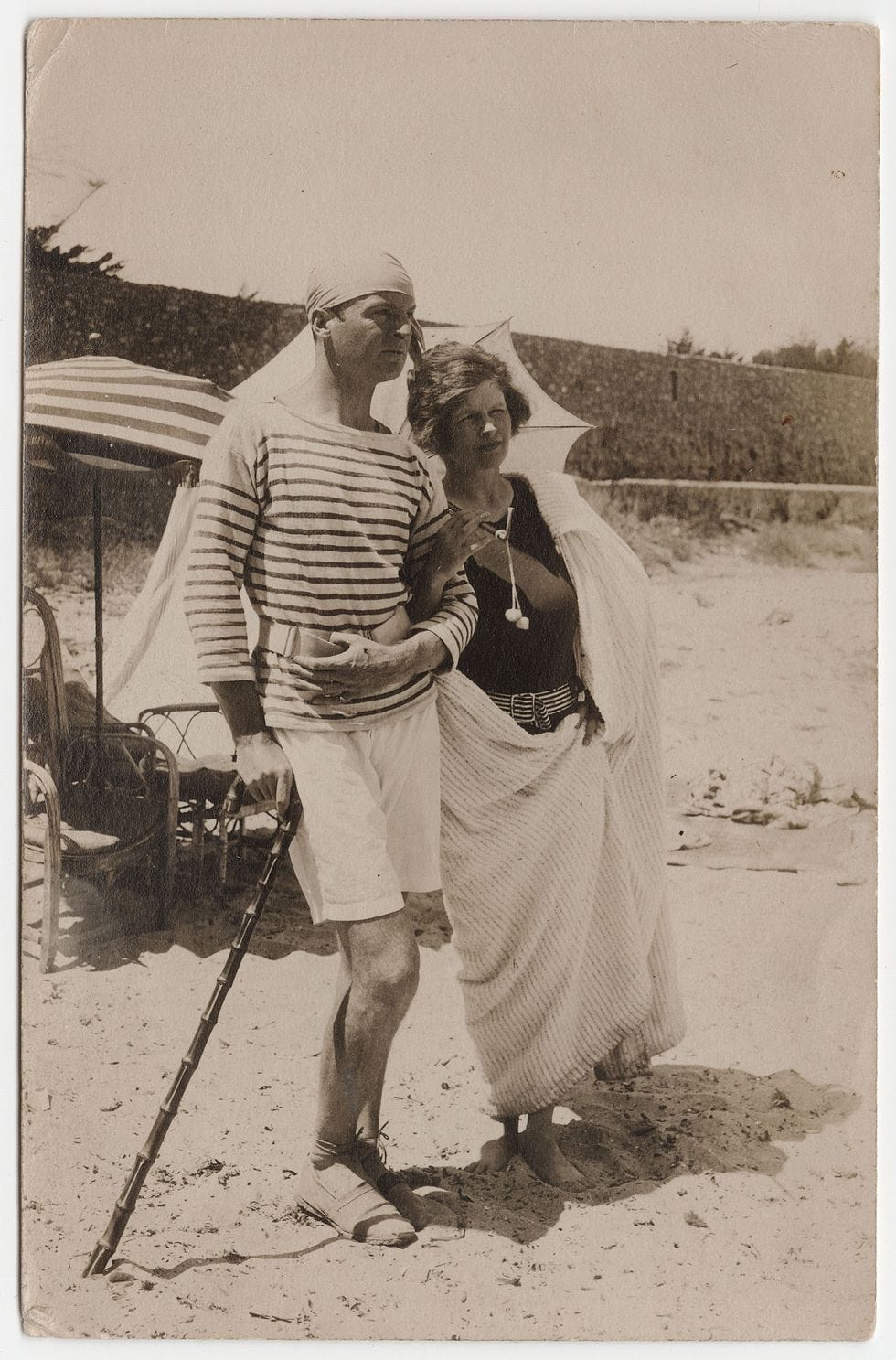
Indeed, the Murphys were close friends of both the Hemingways and Fitzgeralds, they spent time together on holiday and throwing parties. As a friend group, they embodied the excesses and artistic abundance of the 1920s. In the novel, Sara and Gerald Murphy are confidants and sources of advice to both Hemingway and the women in his life. They know of Mr. Hemingway’s penchant towards infidelity, and they witness the realities and heartaches of being Mrs Hemingway.
Mrs HEMINGWAY opens with Ernest’s first wife, Hadley Richardson, who is described as kindhearted, and is from Missouri (Hemingway loves a girl from the Midwest!). Ernest and Hadley lived in Paris in the 1920s for a couple of years, before moving to Toronto where Hemingway worked for the Toronto Star. They retuned to Paris when Hemingway got bored with journalism and wanted to focus on his writing. Within a year back in Paris, the couple met Pauline “Fife” Pfeiffer, a writer for Vogue in Paris - the OG career girl if you will. Hadley and Fife became close friends, and Hadley proposed that they vacation together in Juan-les-Pins, despite knowing about Fife and Ernest’s affair.
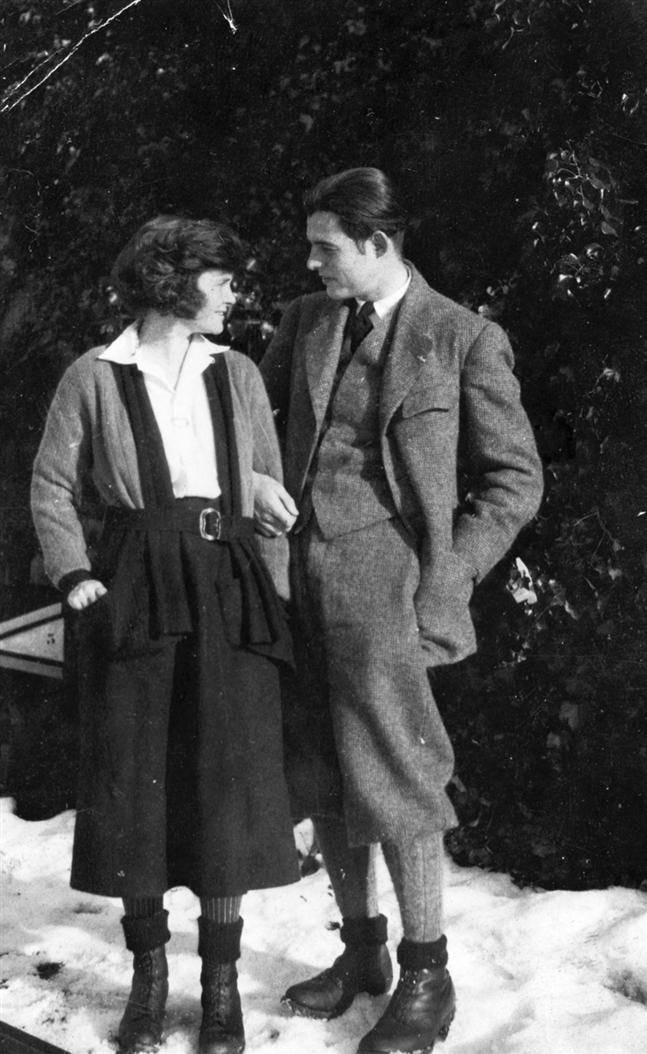
Hemingway published The Sun Also Rises in 1926. Hadley reads her husband’s work and feels herself disappear and locked out of Ernest’s life. All the characters seem to speak like Fife, and Hadley takes it as punishment for the time when she lost a small brown leather suitcase containing her husband’s early short stories and a manuscript of his first novel. She was going to meet her husband in Lausanne, but she quickly got off the train to get a glass of water (and smoke a cigarette) during one of the stops. Once she returned on the train, the suitcase with all of Ernest’s work was gone. She checked every compartment of every wagon and desperately asked passengers, none of whom had seen the brown leather suitcase. Upon telling her husband, Hadley wished he has screamed or gotten angry at her. Instead, he refused to ever speak of it. This mistake would haunt Hadley for the rest of her life, and she never forgave herself. The lost suitcase comes up a few times in the novel, and proves to be symbolic and indicative of the wives’ mental state. Hadley beats herself up for her mistake, and still looks for the suitcase, and hopes it will one day turn up.
Hadley, increasingly aware of her husband’s affair, couldn’t stand being the third wheel for much longer, and gave Hemingway an ultimatum and a hundred day quarantine away from Fife. At the end of the hundred days Hemingway could choose, and the bastard picked Fife! Hadley asked for a divorce in the fall of 1926, which was finalised in January 1927, and by the same spring Ernest married Fife. Hemingway later romanticised his marriage to Hadley in his novel A Movable Feast. By contrast, Fife and Ernest’s marriage was much more turbulent, and later, Hemingway’s memory of being married to Fife would sour. In the aftermath of their marriage, Hemingway would refer to Fife as the “devil in Dior” and villanize her, and her art of seduction in the same book.
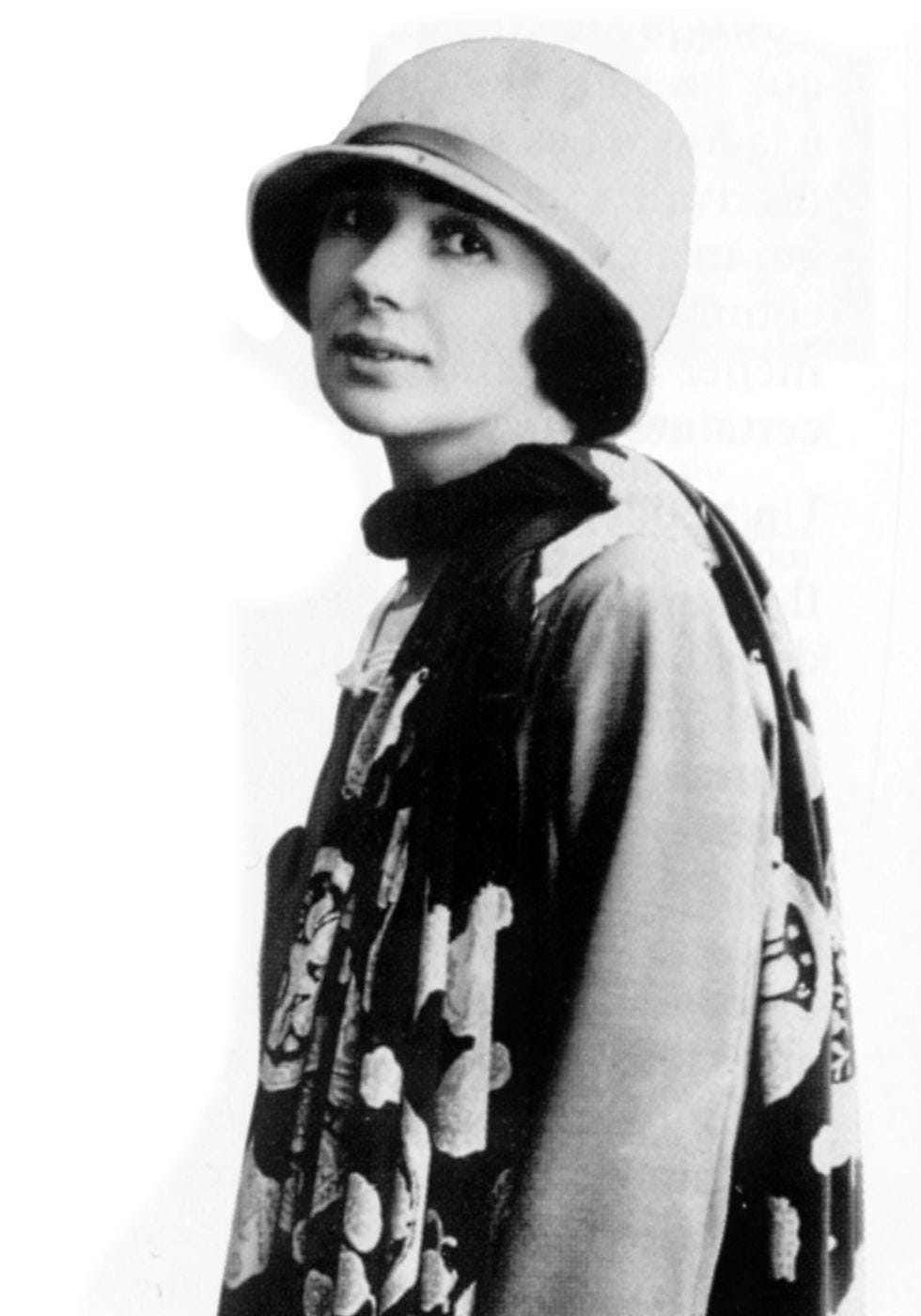
Fife was from Iowa and came from a wealthy background (unlike Hadley). She was described as glamorous, irreverent, ambitious and curious. By the late 1930s, Martha Gellhorn, another ambitious journalist, befriended the couple, like Fife befriended Hadley and Ernest. Fife hated Martha, and became furious at Ernest. Against all odds, Fife and Hadley remained friendly, and Fife turned to Hadley when she rightly suspected that Ernest was having an affair with Martha Gellhorn. Hadley remained gracious in knowing the particularity of the situation, and tried to reassure Fife in telling her that Hemingway’s fling with Martha will pass, though the reader knows it won’t, and I’m not entirely sure whether Hadley believed it either. In her rage, Fife recalled the tale of Hadley losing Ernest’s early work. As the reality of Ernest’s affair with Martha was setting in, Fife felt vengeful and wondered whether Hadley actually “lost” the work or whether destroyed it. For Hadley, the suitcase represents the ways in which she felt she couldn’t keep her husband, the ways in which she wasn’t enough. While for Fife, the lost suitcase represented revenge and a desire to destroy Ernest and his life’s work.
Martha was from Missouri, a novelist and war correspondent. She and Ernest met in 1936 at his favourite restaurant in Key West, Sloppy Joe’s. She is described as “blonde, witty, aristocratic and smart as a whip.” She and Ernest fell in love while covering the Spanish War together. Fife fought for Ernest, and their marriage ended on bad terms. Ernest married Martha just sixteen days after his divorce with Fife was finalised, but his marriage to Martha would be the shortest, lasting only a couple of years, perhaps because Hemingway resented her writing and traveling. Martha and Ernest’s marriage was competitive, and their love thrived in the dangers and thrill of war-time coverage, not so much in domestic life. Importantly, Martha was very much Ernest’s equal, and didn’t worship the ground he walked on as much as Fife did, for instance. In Fife’s section, there is a passage where Hemingway had just returned from Spain, reporting from the war. Fife awaited his return as though he were her Ulysses. Fife notes how gorgeous he looks in his shorts and white t-shirt, unshaven. By contrast, Martha makes a similar, though pejorative, observation of her unshaved husband in a white, this time dirty, t-shirt and shorts with a rope tide around his waist. Hemingway had aged and didn't quite get away with his scruffy look as much as he did years prior. Or maybe, it speaks to the varying levels of infatuation or tolerance that Fife and Martha felt for Ernest.
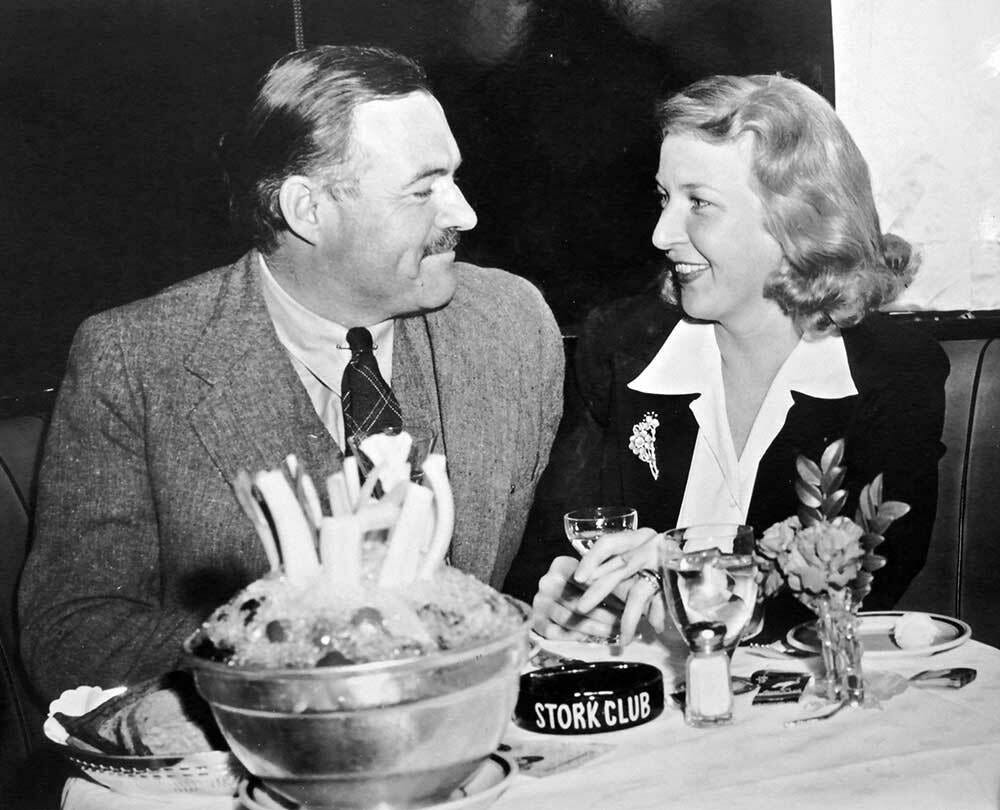
Like every wife before her, Martha found herself on the verge of being an ex-wife, while Hemingway’s new mistress and future wife, Mary, was entering the picture. Sylvia Beach, the founder of one of my favourite Paris bookstores, Shakespeare and Co., also makes a cameo in Martha’s section while she is in Paris during World War II. Martha remembered falling in love with Ernest in Sylvia's bookstore, but it is also where Sylvia Beach first sees Ernest with Mary, and in suspecting an affair, hints it to Martha during her visit to the bookstore. However, Martha had precisely come to Paris in order to leave her husband. Martha concluded that she and Ernest thrived reporting on the Spanish War, paradoxically, the war is what kept their relationship alive. Ernest would open up to Martha about his fears of ending up like his father (committing suicide) and Martha wondered how Mary will ever handle his moods swings, having witnessed him going from tenderness to tyranny in mere moments. While Mary too was a journalist, she was not as ambitious as Martha or Fife, it is said that she happily let her husband “steal her limelight” and she may have been more deferential. Naomi Wood says of the Mrs Hemingways that:
I think Hadley, Pauline and Mary perhaps had a few traits in common. I think they were patient with the vicissitudes in Hemingway's mood, and were able to quietly weather the more difficult times in temperament. From biographies they also [were] fun-loving, clever, and all three had a good editorial eye. I think Martha Gellhorn was the one who was different. She was much brasher, probably more independent and more career-focused, and didn't have time for Hemingway's moodiness.
Mary was from Minnesota. She, like Hemingway, was married to someone else when they met, and they both left their spouses for each other. They married in Cuba, and lived there for a dozen years until they settled in Ketchum, Idaho. It is in Mary’s section that we truly witness Hemingway’s mental decline. In fact, most of the section is set during the aftermath of Hemingway’s suicide. It is revealed that Hemingway spent time in a mental asylum, receiving shock treatments for his depression in 1960, a few months before his suicide. Mary did not cope well with Ernest’s death, and the people close to her were worried. Mary would alternate between feeling guilty for his death, and being in denial, claiming that her husband’s death was an accident - that he had badly manipulated a gun.
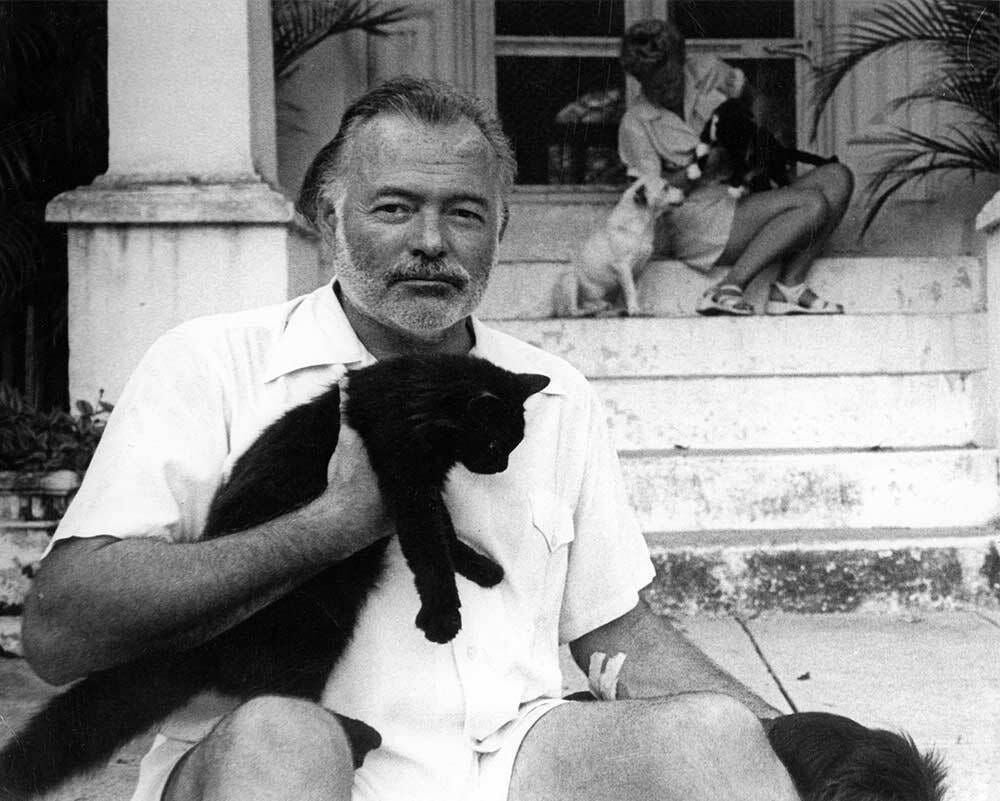
Some flashbacks in Mary’s section reveal Hemingway’s darker times, as well as his reflection on the past, notably his marriages. This section details Mary’s thoughts and curiosities about the previous Mrs Hemingways, which is when the reader gets the most access to Hemingway’s inner life and hindsight. In his later years, Ernest and Mary spent some time with Fife, and the children they had together. Mary liked Fife, and noticed how all these years later, Fife was still in love with Ernest. It feels as though Mary respected Fife’s devotion to Ernest, despite the turbulent nature of their relationship. Martha, in contrast got rid of him as though he were a jacket too heavy to carry, Mary reflected. This last remark made me wonder, and I couldn’t help but feel it was an unfair judgement. While I found Fife’s section the most endearing to read, I was happy that Martha took agency over her life in leaving Ernest before he would leave her. And it goes without saying that I respected Martha's independence. When it came to Martha leaving Ernest, what Mary read as selfishness, I read as self-preservation and self-respect.
Mary would be Hemingway’s last wife and their marriage would also the longest out of all previous ones, lasting 15 years. After Hemingway’s death, Mary was in charge of publishing his posthumous works, A Moveable Feast and The Garden of Eden.
Only Mary Welsh succeeds in retaining the Mrs Hemingway title until his death. Arguably, by this stage Hemingway is too drunk, depressive and irascible to convince any of his new conquests to marry him.
All in all, I really enjoyed this book! The women’s narratives, both singular and entangled, were complex, profound, beautiful and heartbreaking. As for Mr Hemingway himself, all I can say is that this book confirmed the essence of the persona I had in mind! In the end, I appreciate Wood’s refrainment from speculating about Ernest Hemingway, I feel as though it ended up serving the novel. To finish, I will leave you with this fun and insightful passage from The Guardian, the conclusion of which I agree with!
Reading Wood's book you would think that women flocked to him because he was brilliant in bed. In fact he had lengthy periods of impotence and was often too insecure to be generous (Gellhorn once described sex with Hemingway as, "Wham, bam, thank you ma'am without the thank you"). Wood could have included these contradictions as a way to open up the question of what it was he wanted and never quite found in marriage. At one point Martha thinks: "He is not so much greedy for women as blind to what he thinks he needs and so he grabs at everything." This seems true, but why is he blind and what does he actually need? Admittedly, this conundrum has resisted the analysis of Hemingway's chroniclers for many years, so Wood may be right not to offer her own solution. Certainly her portrayal of Hemingway is enticing, maddening and haunting enough to leave us trying to solve it for ourselves.
Until next week!